Beyond the 'On' Switch: The Unwritten Manual for Your First Mini Rice Cooker
Update on Nov. 12, 2025, 3:50 p.m.
You bought your first mini rice cooker. You were sold on the promise of effortless, perfect rice and the versatility of a compact, all-in-one machine. You unbox it, place it on your counter, and then you’re confronted with a small, cryptic control panel and an instruction manual that seems to assume you’ve used one a dozen times before.
This is a common experience. User feedback for many modern, multi-function cookers, like the ROZKOP Mini Rice Cooker, is filled with praise for the device itself but also frustration at the “lack of instructions.”
This isn’t a “review.” This is the unwritten manual. This is the guide to empowering you to use your new appliance like a pro, decoding what those functions really mean and how to avoid the common pitfalls.
1. The First-Timer’s “Gotcha”: Decoding the Measurements
Before you cook anything, you must understand the tools. The single biggest mistake first-time users make is misunderstanding the measurements.
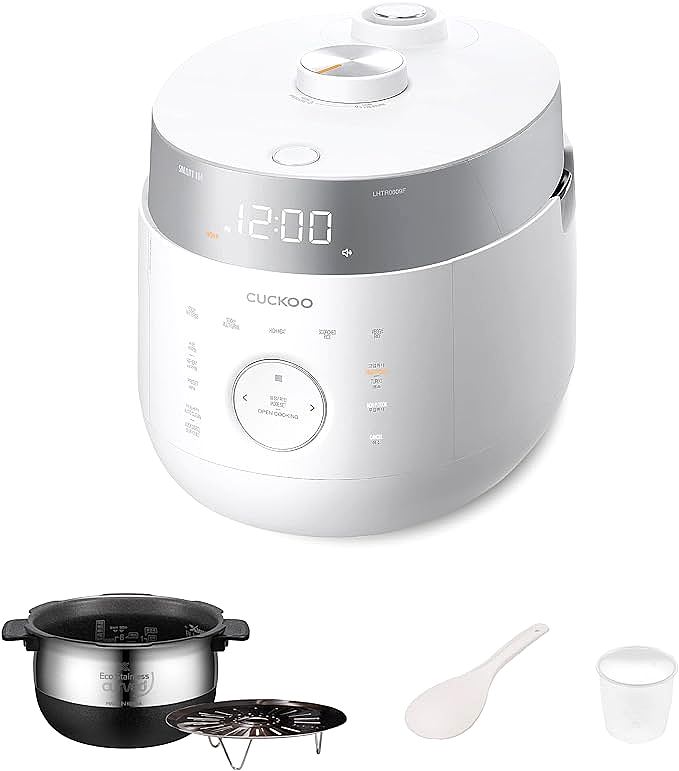
- The “Cup” is Not a US Cup: Your cooker almost certainly came with a small, 160ml plastic measuring cup. The “2-Cups Uncooked” capacity (which yields about 4 cooked cups, enough for 2-3 people) refers to this 160ml cup, not a standard US measuring cup (240ml). Using the wrong cup is the fastest path to a sticky, watery mess.
- The Inner Pot Lines: The non-stick inner pot has lines etched inside. These are not for cups of water. They are water-level guides corresponding to the 160ml cups of rice you just added. For example, if you add 2 (160ml) cups of white rice, you then fill the water to the line marked “2”. This is the manufacturer’s pre-calculated perfect ratio.
2. Decoding the “Smart” Control Panel
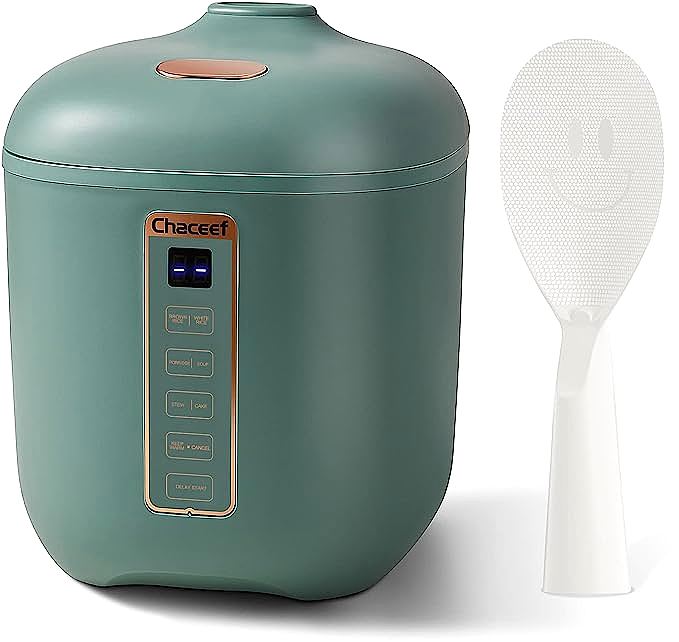
A smart control panel, like the one on the ROZKOP, replaces a simple on/off switch with a microprocessor. Each setting isn’t just a timer; it’s a unique heating program designed for a specific food’s chemistry.

- “White Rice”: This is the baseline. The machine uses a thermal sensor. It brings the water to 212°F (100°C) and holds it there. The moment all the free water is absorbed by the rice, the temperature at the bottom of the pot begins to spike. The sensor detects this surge and immediately switches the device to “Keep Warm.”
- “Brown Rice”: This button is not just a longer timer. Brown rice’s tough outer bran needs more time to soften and hydrate. This setting initiates a pre-soak cycle at a low temperature before bringing the water to a full boil. This is crucial for achieving a fluffy texture, not a crunchy one.
- “Porridge / Soup”: This setting is completely different. It’s designed to avoid a hard boil. It uses a lower-power, intermittent heating cycle to maintain a gentle simmer. This is perfect for making oatmeal, congee, or, as some users discover, “small soups.”
- “Stew”: This function mimics a slow cooker, using a sustained, low-and-slow heat to tenderize meats and vegetables over a longer period.
- “Cake”: This is the most confusing button, but it’s simple. This setting bypasses the water-boiling sensor and runs a “baking” program, using the bottom element to cook a simple cake mix from the bottom up.
3. Decoding the “Lifestyle” Functions
The most “smart” features aren’t about cooking; they’re about time management.
- “24-Hour Delay Start”: This lets you put ingredients in before work and have a fresh meal waiting when you get home. A word of caution: use this for rice, grains, or beans. Never use the delay timer with perishable ingredients like dairy, eggs, or meat, as they will sit in the unsafe “danger zone” (40°F-140°F) for hours.
- “Keep Warm”: Once cooking is complete, the machine automatically enters this mode. It holds the rice at a food-safe 150°F (65°C). This is fantastic, but it’s not infinite. After 3-4 hours, the rice at the bottom will begin to dry out and may form a yellowed crust.

4. Decoding Common “Disasters” (Troubleshooting)
Your manual may be useless, but these common problems are easy to solve.
- The Problem: “Water leaks out of the steam vent and gets all over the counter!”
- The Fix: This is the most common user-reported issue. It’s almost never a faulty machine. It’s user error. You have overfilled the pot. You are either using a 240ml US cup instead of the 160ml rice cup, or you are trying to cook more than the maximum (e.g., 2 cups) allowed. Respect the maximum fill lines.
- The Problem: “My rice is mushy and sticky.”
- The Fix: You either used the wrong water ratio (see section 1) or you forgot to rinse your rice. Rinsing white rice 3-4 times until the water runs mostly clear washes off excess surface starch and is the key to separate, fluffy grains.
- The Problem: “Clean-up is annoying.”
- The Fix: A good design, like the ROZKOP’s, will have two key features: a non-stick inner pot and a detachable inner lid. The pot should be easy to clean (users rate this 5/5), and the ability to remove the aluminum inner lid lets you wash off the starchy residue that accumulates there.
A mini multifunction cooker is a powerful tool, especially for a small kitchen, dorm, or traveler. It’s not just a “rice cooker”; it’s a “process manager” for grains, soups, and more. Once you understand the why behind the buttons, you’ve unlocked its true potential.