How to Use electric kettle temperature control settings

Chefman Electric Kettle Temperature Control

Why Temperature Control Matters for Different Beverages
Not all hot water is created equal when it comes to brewing beverages. Different teas and coffees require specific temperature ranges to extract optimal flavor without burning the leaves or grounds. Green tea extracts best between 160 and 175 degrees Fahrenheit—water that is too hot scorches delicate green tea leaves and produces a bitter, astringent taste. White tea prefers a similar range of 160 to 180 degrees. Oolong tea thrives at 180 to 200 degrees, while black tea and herbal infusions need near-boiling water at 200 to 212 degrees. Coffee brewing ideally occurs between 195 and 205 degrees. A temperature-controlled electric kettle eliminates the guesswork by allowing you to select the exact temperature for your beverage, ensuring consistent results every time you brew.
How to Set and Use Temperature Presets
Most temperature-controlled kettles feature a digital display and preset buttons for common beverage temperatures. Press the temperature button to cycle through preset options such as green tea, oolong, black tea, coffee, and keep-warm mode. Some models allow custom temperature selection in one-degree increments for precise control. After selecting your desired temperature, press start or wait for the kettle to begin heating automatically. The kettle will display the current water temperature in real time and beep when the target temperature is reached. Many models include a keep-warm function that maintains the selected temperature for two to four hours, which is ideal if you prefer multiple cups of tea at the same temperature throughout the morning. To use the keep-warm feature, activate it immediately after reaching your target temperature or select the keep-warm preset before heating begins.

Safety Features You Should Know About
Modern electric kettles include multiple safety features to prevent accidents. Automatic shut-off activates when the water reaches the selected temperature or when the kettle is empty, preventing damage from dry boiling. Most kettles also have a boil-dry protection sensor that cuts power if the water level drops below the minimum threshold during operation. The base usually contains a thermal fuse that disconnects power if internal components overheat. Keep-warm kettles with dual-wall insulation keep the exterior cool to the touch even when the water inside is near boiling, reducing burn risk especially important in households with children. Always place the kettle on a flat, stable surface away from the edge of counters to prevent accidental knocking. Fill the kettle between the minimum and maximum fill lines marked on the interior—overfilling can cause steam and hot water to spray from the spout during boiling.
Cleaning and Descaling Your Electric Kettle
Regular cleaning prevents mineral buildup that affects heating efficiency and water taste. Descale your kettle monthly using white vinegar or a commercial descaling solution. Fill the kettle with a mixture of one part white vinegar to two parts water, heat to your target temperature, let sit for 15 minutes, then discard and rinse thoroughly with fresh water. Run a full cycle with plain water afterward to remove any vinegar residue. For daily cleaning, wipe the exterior with a damp cloth and clean the lid and spout with a soft brush to remove tea stains or coffee residue. Never immerse the base or cord in water as these contain electrical components. Empty the kettle completely if you plan not to use it for several days to prevent stale water from developing odors. Replace your kettle if you notice persistent scaling despite regular descaling, visible cracks in the interior, or malfunctioning temperature controls that no longer maintain accurate temperatures.
Troubleshooting Common Kettle Problems
If your kettle does not heat water, first check that it is plugged in and the power outlet is functioning by testing another device. Verify the kettle is properly seated on its base with no gaps between the contacts. If the display shows an error code, consult the manual for the specific meaning—most codes indicate low water level or overheating. When water takes longer than usual to reach temperature, mineral buildup inside the heating element may be insulating it from the water. Descale the kettle immediately to restore normal heating speed. If the keep-warm function stops working after several months, the temperature sensor may have failed and require professional repair or replacement. Unusual noises during boiling are normal for most kettles as water transitions through different stages of agitation, but loud rattling or grinding sounds indicate loose internal components that should be inspected before further use.
Choosing the Right Kettle Size for Your Household
Electric kettles range from compact 0.5-liter models ideal for single servings to large 1.7 to 2-liter units suitable for families or entertaining guests. A 0.7 to one liter kettle is sufficient for one to two people who make tea or coffee individually throughout the day. Larger households or those who entertain frequently benefit from 1.7 to two-liter kettles that can fill multiple cups without refilling. Consider your storage space as larger kettles require more counter space and taller cabinets for storage. Weight is also a factor—full 2-liter kettles weigh over four pounds and may be difficult for some users to lift and pour safely. Always choose a kettle with a comfortable handle that fits your grip and a well-balanced spout that pours smoothly without dripping. Spill-proof lids and auto-lock mechanisms add safety for users with limited dexterity or strength.
Energy Efficiency and Cost of Running an Electric Kettle
Electric kettles are significantly more energy-efficient than stovetop kettles or microwaves for boiling water. An electric kettle heats only the amount of water you need with minimal heat loss to the surrounding environment, while a stovetop kettle transfers heat through the burner and pot before reaching the water. Microwaves heat water unevenly and often require longer run times to achieve a full boil. A typical 1500-watt electric kettle brings one liter of water to a boil in approximately three to four minutes using about 0.1 kilowatt-hours of electricity. At an average US electricity rate of 16 cents per kWh, this costs roughly 1.6 cents per boil. For someone who drinks three cups of tea daily, that is less than 50 cents per month in electricity costs. The energy savings compound over years of use compared to repeatedly boiling water on a gas stove or running a microwave multiple times.
Comparing Corded vs Cordless Electric Kettles
Cordless electric kettles lift off their power base for pouring, offering convenience and a cleaner countertop appearance without trailing cords. The base remains plugged in while the kettle detaches freely, which makes pouring safer as there is no cord to accidentally pull. Most modern temperature-controlled kettles are cordless by design. Corded kettles connect directly to the power source via a permanent cable, which can be advantageous in environments where the power base connection might become loose or unreliable. Cordless models may have slightly higher initial costs due to the additional engineering required for the base contacts, but the convenience factor makes them the preferred choice for most users. When choosing between models, consider whether the kettle base includes a cord storage compartment underneath for tidier counter management.
Tea Brewing Temperature Chart for Every Variety
Using the correct water temperature for each tea variety unlocks flavors that boiling water destroys. White tea requires the lowest temperatures at 160 to 180 degrees Fahrenheit and benefits from a three to five minute steeping time. Green tea, especially Japanese varieties like sencha and gyokuro, needs cooler water between 140 and 170 degrees to avoid bitterness. Chinese green teas can handle slightly higher temperatures around 175 to 185 degrees. Oolong tea performs best at 180 to 200 degrees with a two to four minute steep. Black tea needs near-boiling water at 200 to 212 degrees for three to five minutes to fully extract its robust flavor. Herbal teas and rooibos also require full boiling temperatures and benefit from longer steeping times of five to seven minutes. Flower teas like jasmine or chrysanthemum should be brewed at 190 to 200 degrees for optimal aroma release. A temperature-controlled kettle makes it easy to hit these precise ranges without needing a separate thermometer or waiting for boiled water to cool.
Best Practices for Long-Lasting Kettle Performance
Treat your electric kettle like any precision appliance and it will serve you reliably for years. Use filtered or bottled water instead of tap water to reduce mineral buildup that degrades heating elements over time. Hard water areas benefit from monthly descaling while soft water regions may only need quarterly maintenance. Never leave the kettle empty when plugged in as dry heating damages the element. Empty remaining water before storing the kettle for extended periods such as vacations or seasonal use. Store the kettle with the lid open to allow air circulation and prevent musty odors from developing in the interior. Keep the power base clean and dry—wipe spills immediately with a cloth. Do not immerse the base in water. Inspect the power cord regularly for fraying or damage and replace the unit if any electrical components show signs of wear. Following these simple practices extends the functional life of your kettle well beyond the typical three to five year expectancy.
Chefman Electric Kettle Temperature Control
Related Essays

electric kettle for tea temperature control
Electric Kettle for Tea: Temperature Control Basics

TOPWIT T618 Electric Kettle: Unveiling the Science Behind Your Perfect Brew

Cuisinart CPK-17P1 PerfecTemp Electric Kettle: Perfect Temperature for Your Perfect Cup
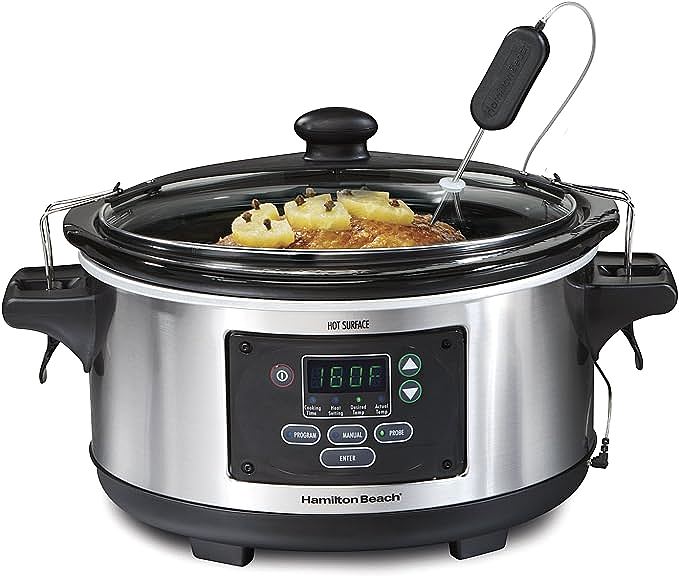
Hamilton Beach 33969A: Mastering the Art of Slow Cooking with Smart Technology

Topwit 808MF Electric Tea Kettle: Precise Temperature Control for Healthy and Smart Water Drinking

The Science of Perfect Heat: Inside the Breville Control Freak's Precision Cooking Engine

Vesta Precision Imersa Expert SV320 : The Science of Perfect Sous Vide Cooking
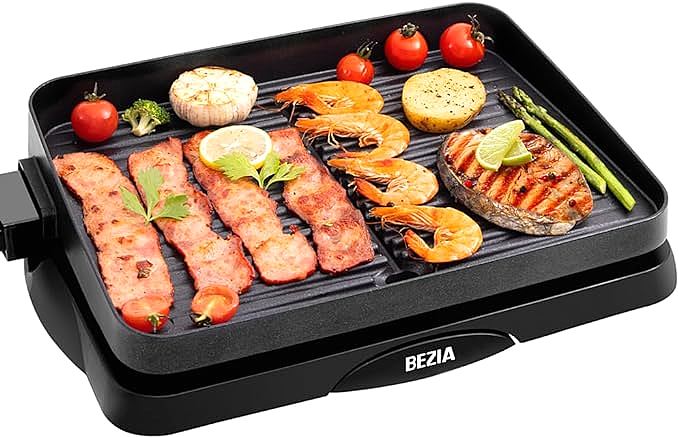
BEZIA G-01 Indoor Electric Korean BBQ Grill - The Perfect Indoor Grill for Home Entertainment
